


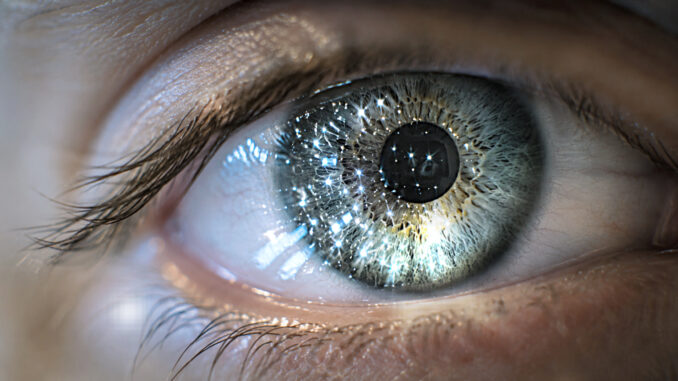

Her art made people stop and stare. She made a career of finding out why.
Most people walk into a hospital expecting medicine. Lyn Godley hopes they encounter something gentler first. For years, the artist has been studying whether art can help people feel better by easing the body’s response to stress.
Picture a waiting room where soft light moves slowly across the walls and a projected landscape shifts at the edge of your vision. It doesn’t grab your attention, but it may make the room feel a little less tense. As a multimedia artist and educator, Godley has spent a lifetime understanding how art affects us physically.
Colors, sounds, vibrations – so much of what we experience around us affects how we think and feel. Light, for instance, affects circadian rhythms and hormone production. Slow and rhythmic cycles appear to help regulate the nervous system. Wide visual fields engage peripheral vision, which the brain often interprets as a sign of safety.
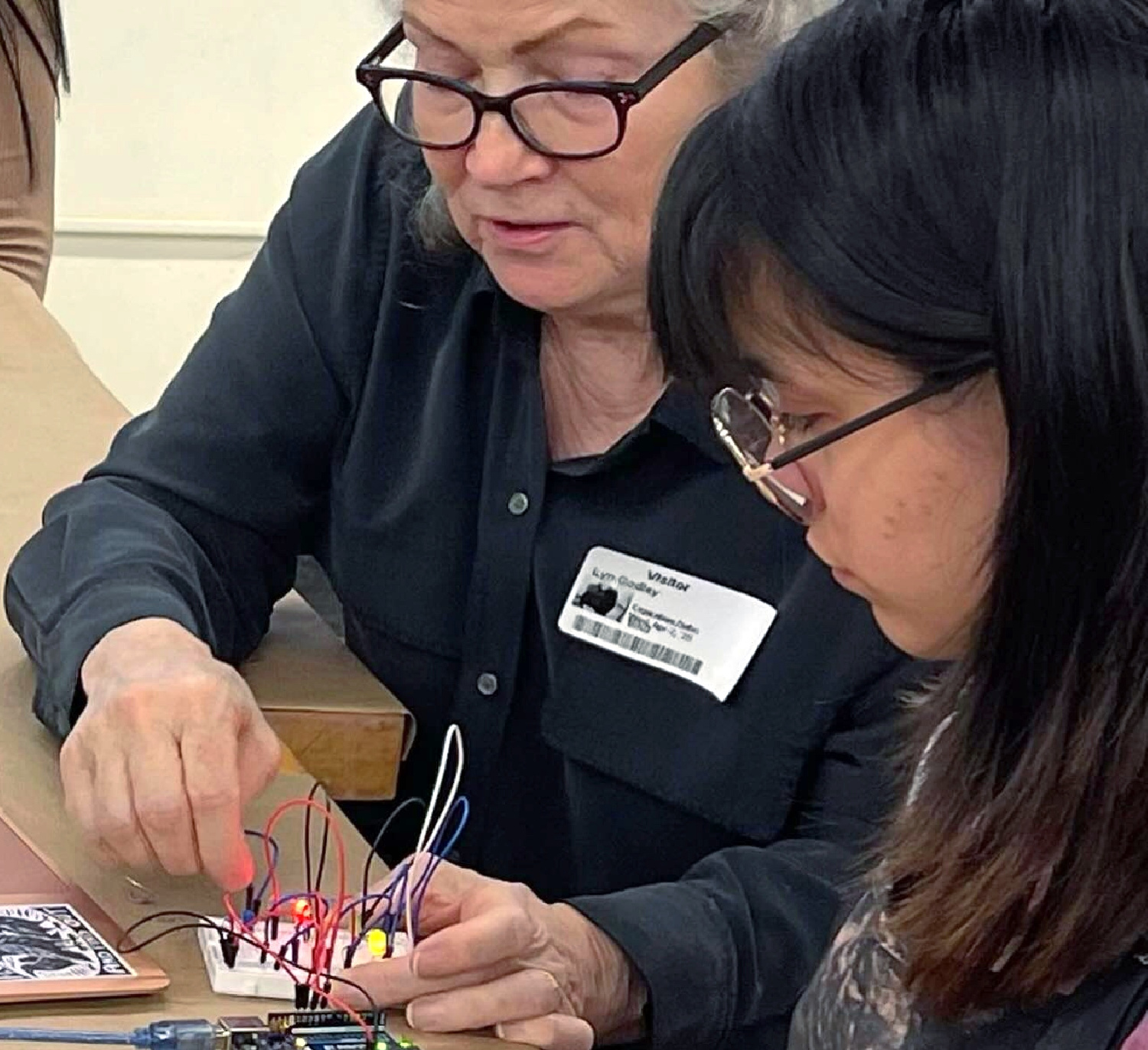
Godley’s work blends traditional techniques like painting and drawing with modern technology: LED lights, projections, and programming. The result is a dynamic piece that can engage viewers on many levels at once.
Godley has always been equal parts artist and tinkerer, drawn to making things and seeing how they work.
LIFTOFF
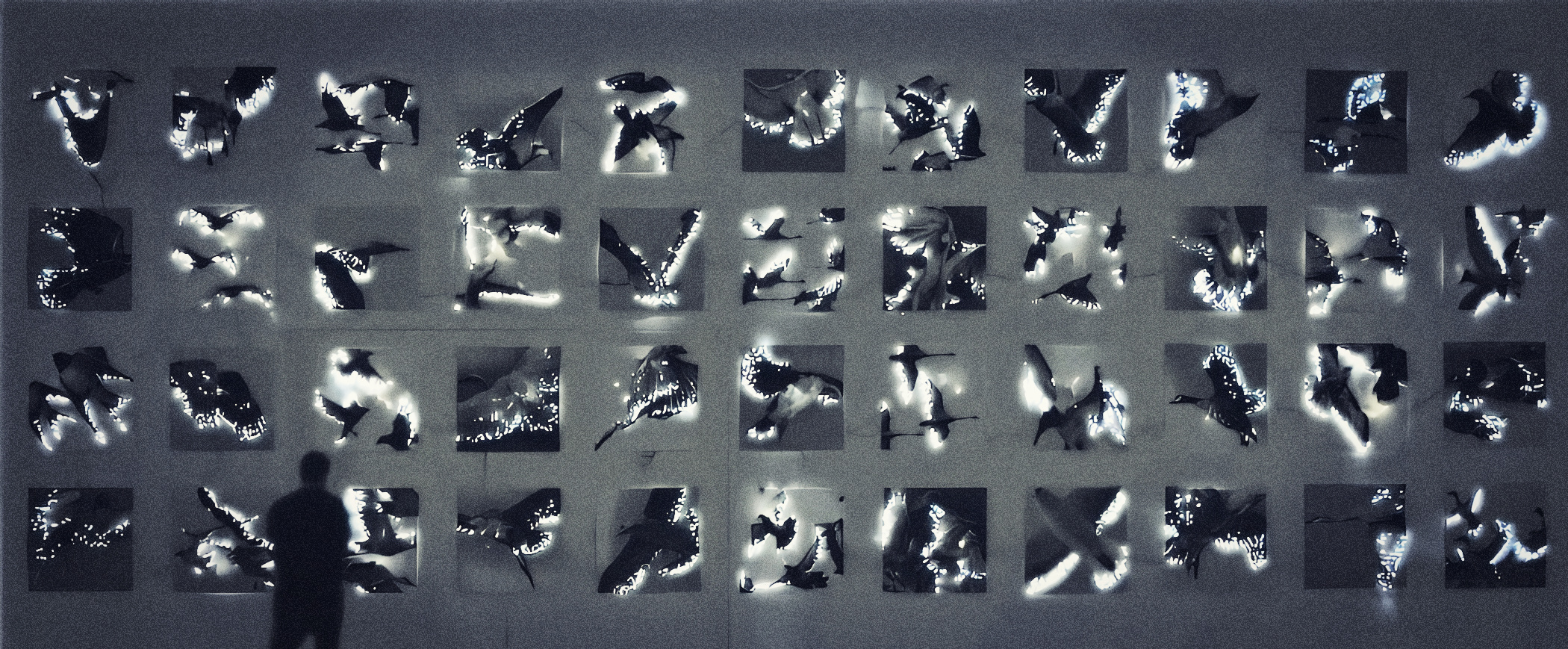
Her interest in the physical effects of such artwork came into focus at a gallery in Cologne, Germany. Her solo exhibition “InFlight” (2011) featured charcoal images of birds in flight threaded with fiber-optic filament that lit up their wings and tails.
The curator soon began reporting unusual behavior among gallery visitors, particularly when the house lights dimmed to enhance the LED glow. People would sit on the floor in silence, sometimes for hours. Many returned more than once. As those reactions repeated across audiences and cultures, Godley began to wonder whether the artwork was doing more than engaging the eye. She thought it might be affecting the nervous system. The possibility changed the direction of her work.
Godley began teaching industrial design at Philadelphia University that same year. When the school later merged with Thomas Jefferson University, the change brought her into a much broader health and science community. The school’s multidisciplinary approach gave her access to colleagues in fields she had never worked with before.
COMMISSION WITH A MISSION
In 2020, Jefferson Health brought her in on plans for a new state-of-the-art medical center being designed to better serve autistic and other neurodivergent patients. The project called for multiple installations throughout the 19-story building, giving Godley a chance to use her full range of skills to reduce anxiety and promote a sense of well-being.
Godley begins each project by considering its energy and how the space should feel. This new challenge called for a more practical test. “What kind of art actually helps people in outpatient treatment environments?”
In her search for answers, she founded the Jefferson Center of Immersive Arts for Health (JCIAH), which she directed until her retirement this summer (she’s officially passing the torch in August). She has spent years connecting people who rarely cross paths, turning those relationships into a collaboration among artists, physicians, researchers, designers, and instructors across Jefferson Health and Thomas Jefferson University.
The Honickman Center opened in Center City in 2024 and later won a Healthcare Design Award from the American Institute of Architects for its innovative approach to serving a diverse urban community. Godley’s art remains a hallmark of inclusive patient care and provides real-world feedback for JCIAH’s research.
LASTING IMPRESSIONS
As the science develops, more evidence shows that spaces designed with the senses in mind can help people move from heightened stress toward calmer, more regulated states. For Godley, the building itself can become part of the care.
Though she’s no longer teaching, Godley will keep writing, researching and collaborating with other institutions. She may pull back from leadership roles, but she’ll remain focused on finding new ways art and the built environment can help people feel better.
What began with people lingering in a gallery in Cologne has grown into years of research, a broad network of collaborators and a new body of work aimed at making difficult spaces more comforting for people who feel anxious or vulnerable. For Godley, that’s art at its most useful.
RUNS IN THE FAMILY
Long before Lyn Godley began using light in her artwork, illumination was something of a family business.
Her grandfather, Detroit inventor Charles E. Godley, worked during the early automobile age, when engineers were still figuring out how best to light the road. With more than 90 patents to his name, he tackled everything from rattling lamps and smoky oil flames to adjustable reflectors and devices that brought headlight beams into focus. Her father, Jack, later worked with fluorescent lighting in its early years.
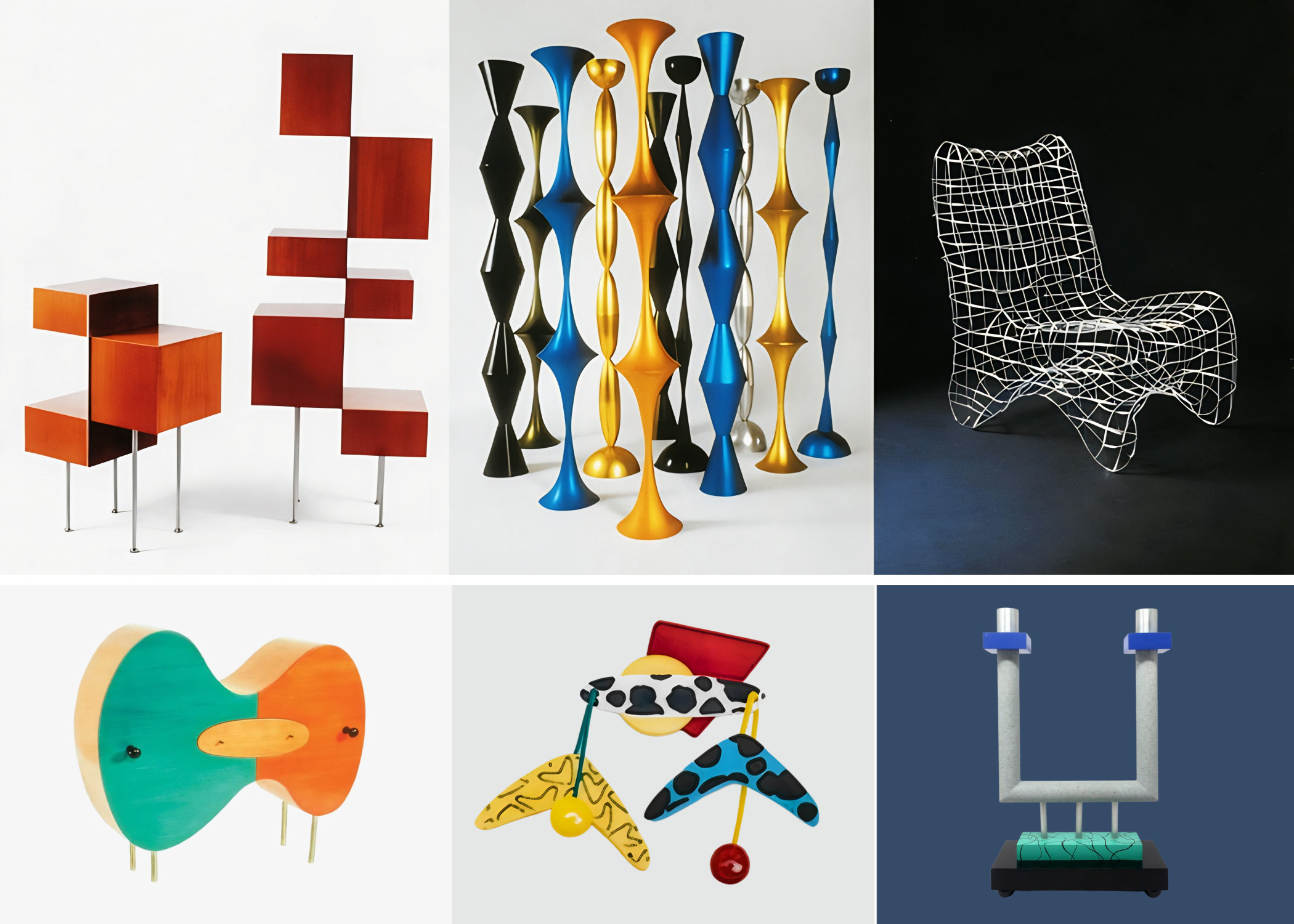
Growing up in that family, Godley never saw making things as an unusual way to spend a life. She began oil-painting lessons at age seven, studied painting and drawing, then moved into jewelry, furniture, product design and lighting. Her company, Godley-Schwan, produced thousands of objects before she returned to fine art.
The lighting obsession came with her.
For nearly two decades, Godley says, almost everything she has made has included light in some form. What started as a creative interest gradually became a deeper question about how light, images and surroundings affect the people who encounter them.
BRIGHT IDEAS
We’re all moths to a flame, Godley says, drawn in before we understand why. Here are five lessons that shine through her work.
Light leads us. Put a light at the end of a hallway, Godley says, and people will naturally move toward it. Lighting can guide us through a building before we have consciously decided where to go.
Images hold us. After visitors spent hours with her fiber-optic bird pieces in Cologne, Godley studied nature-based imagery, natural fractals and other visual forms that seem to attract and hold attention.
Wavelength matters. She learned that the light used in her Cologne installation shared a wavelength with light used in some treatments for depression. That discovery pushed her to look more closely at how natural and artificial light affect mood, circadian rhythms and other physical systems.
Immersion can redirect attention. Godley points to virtual-reality research in which patients experiencing acute pain are given something immersive to focus on. The idea is simple: changing what the mind attends to may also change how the body responds.
Big questions need mixed teams. Artists, doctors and scientists do not always approach a problem in the same way. For Godley, that is exactly why they need one another. Working across fields has allowed her to ask bigger questions about art, health and the places where people feel most vulnerable.
For three generations, the Godley family has found new ways to work with light. Lyn carried that interest from the studio into healthcare, where she is still asking what light can help us see, feel and do.
This article is based on Marilyn Perkins’ interview with Lyn Godley for Thomas Jefferson University published June 2026. To learn more about Lyn Godley’s artwork, exhibitions and studio, visit lyngodley.com or follow @LynGodley on Instagram and Youtube.
What do you think? Click the links for more info, and please leave your questions and comments below. Or email editors@nwlocalpaper.com — we love to hear from readers!
Be the first to comment