


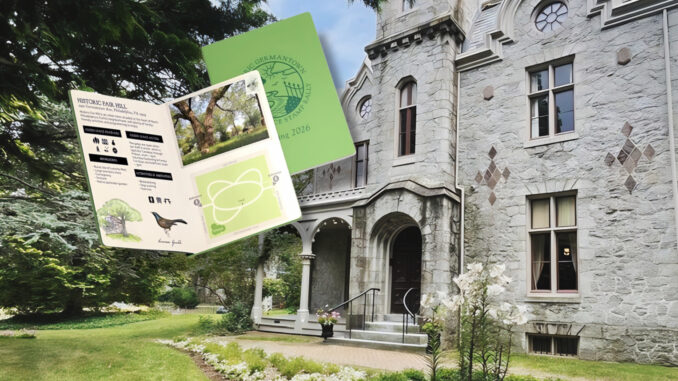

Historic Germantown opens the gates for a summer of gardens, tours, and a scavenger hunt of discovery.
This summer, while much of Philadelphia looks toward Center City for the big 2026 moments, Historic Germantown is asking people to turn the other way — through garden gates, under old trees, into courtyards, historic houses, evening programs, and stories that stretch well beyond the founding‑father frame.
Across 20 historic sites, from urban farms to Underground Railroad stops to the ancestral homesteads of famous Philly families, new evening hours, outdoor events, walking tours, exhibitions, and neighborhood partnerships are making Germantown one of the city’s best places to explore the country’s 250th year. Independence Mall has the official spotlight. Germantown has the gardens, old houses, abolitionist sites, and neighborhood streets where the country’s story gets messier, greener, and more interesting.
“We’re doing more new programming in Germantown than any other neighborhood in the city,” says Historic Germantown Executive Director Tuomi Forrest. “If you can’t find something of interest, then you’re not interested.” Fair enough.
GREEN ACRES
As Philadelphia prepares for a crowded 250th year downtown, Historic Germantown is offering a cooler, calmer way to take in the moment. Two summer programs make it easy to step inside some of the city’s most beautiful historic places — no formal tour required. One built around discovery, the other around evening access.
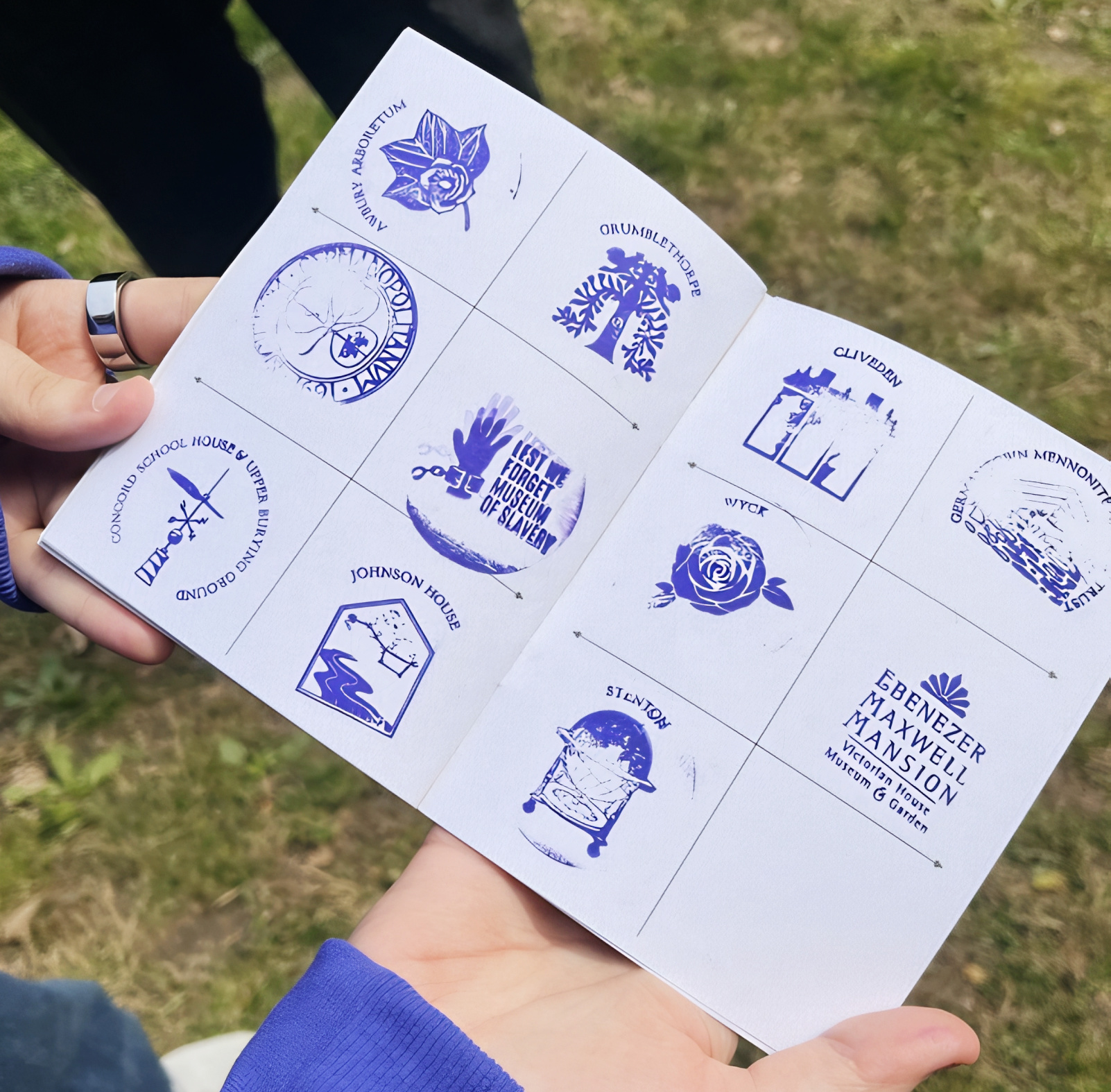
The Green Spaces Stamp Rally is a free, passport‑style scavenger hunt that encourages visitors to explore Historic Germantown’s member sites by finding QR‑coded heritage trees.
Each site chose a tree with a story — some centuries old, some botanically unusual, all tied to the land or the neighborhood’s history. Visitors pick up a passport booklet, follow clues, find the tree, scan the QR code, and learn what makes it special.
“It’s a lower barrier to entry,” Tuomi says. “You’re not signing up for a one‑hour tour. You’re walking the grounds, discovering something, and realizing these places are yours too.”
The rally has been especially good at reaching people who have passed these places for years without ever stepping inside. “A lot of people grow up or live in the neighborhoods, pass by these sites, and don’t think, ‘Hey, I should stop here. It’s okay to come in,’” Tuomi says. “It’s always about making connections and reducing barriers.”
This spring and summer’s rally focuses on Trees of Germantown. A second version is planned for the fall, centered on historical figures associated with the member sites.
GLOW TIME
New this year, Firefly Hours extend site access into the early evening. From about 5 to 7 p.m., rotating sites stay open for nature crafts, birding, insect talks, garden tours, music, lectures, hands‑on art, and other relaxed programming. “It’s cooler, it’s relaxed, and it fits people’s schedules,” says Tuomi. “You can come after work, bring a picnic, and let the kids run around. It just feels easier to enter.”
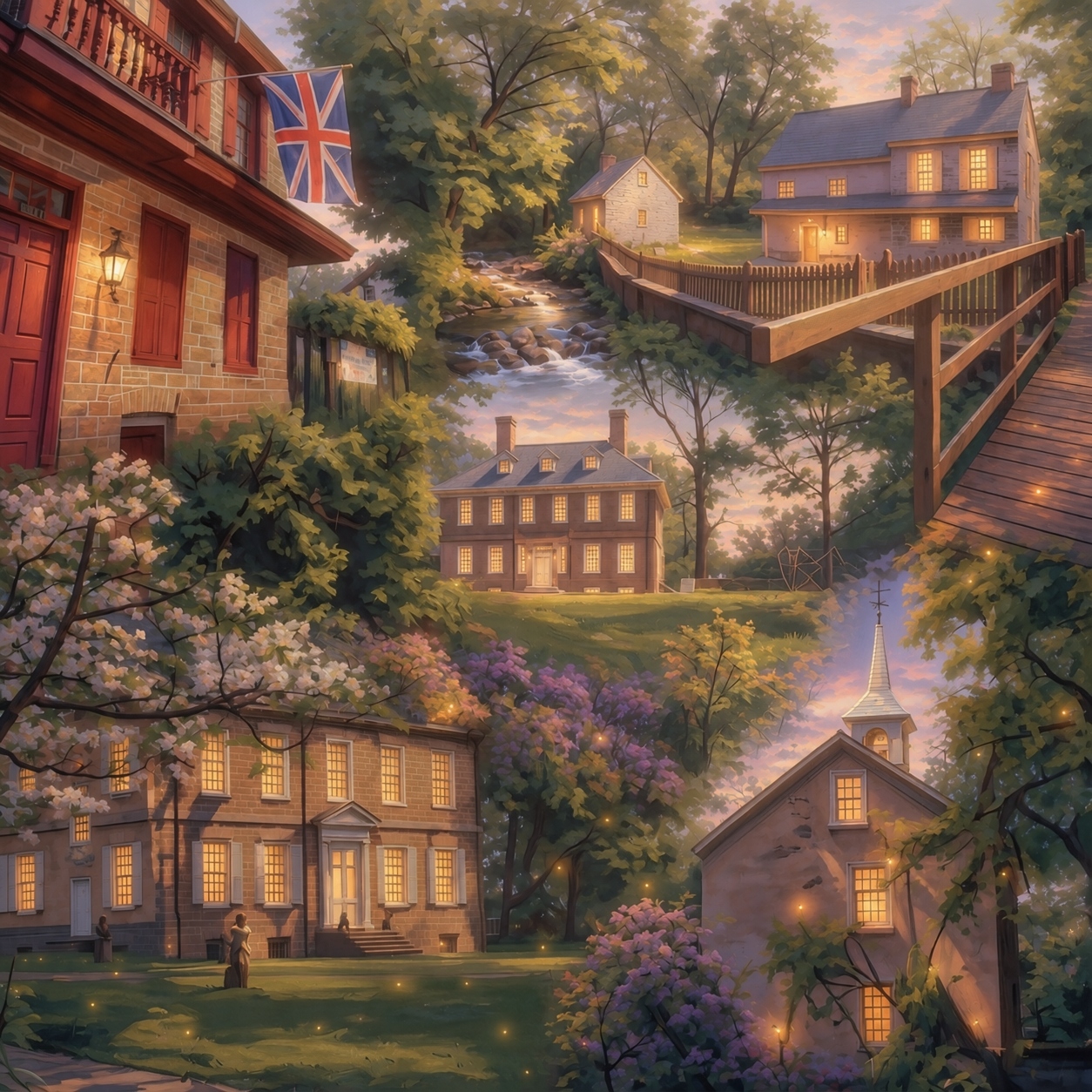
The rotating format also helps smaller, often volunteer‑led sites share the work. One or two sites take a week, offer several evenings of programming, then pass the baton. The larger goal isn’t simply to get people to attend events — it’s to help neighbors feel some ownership of the places around them. “A lot of our programming is co‑created with community members,” Tuomi explains. “We want people to feel that these places are theirs.”
Once people step through the gate, the story gets deeper. In Germantown, the very landscape itself is rooted in history and generations of neighborhood care.
LIVING LANDSCAPE
As Tuomi tells it, “You can’t write the history of horticulture in the U.S. without mentioning Germantown.” It’s one of those local claims that might sound inflated until you start looking around.
At Wyck, the rose garden preserves more than 50 historic cultivars, including the Lafayette rose, originally planted to mark the Marquis de Lafayette’s 1825 visit. Stenton’s Colonial Garden was the founding site of the Garden Club of America in 1913. And at Grumblethorpe, the Wister family name lives on in wisteria, the flowering vine long associated with the family’s 18th-century homestead.
The buildings are part of it too. Germantown’s architecture ranges from rowhouses to gilded mansions, with churches, schoolhouses, factories, storefronts, and meeting halls layered block by block.
This summer’s walking tours help connect those dots. They show how Germantown’s natural and built landscapes shaped one another over time, and how both helped create a local culture best understood up close. You have to walk the ground.
PEOPLE-POWERED
One of Germantown’s greatest strengths is its unique sense of culture and community. The city’s longest‑running Juneteenth celebration, led by the Johnson House Historic Site, brings that history into the present with performances, vendors, and public conversations that connect 19th‑century abolitionism to contemporary social‑justice issues.
Lest We Forget Museum of Slavery’s role has become especially visible this year. They were featured in one of the very panels the National Park Service is seeking to remove from Independence Mall.
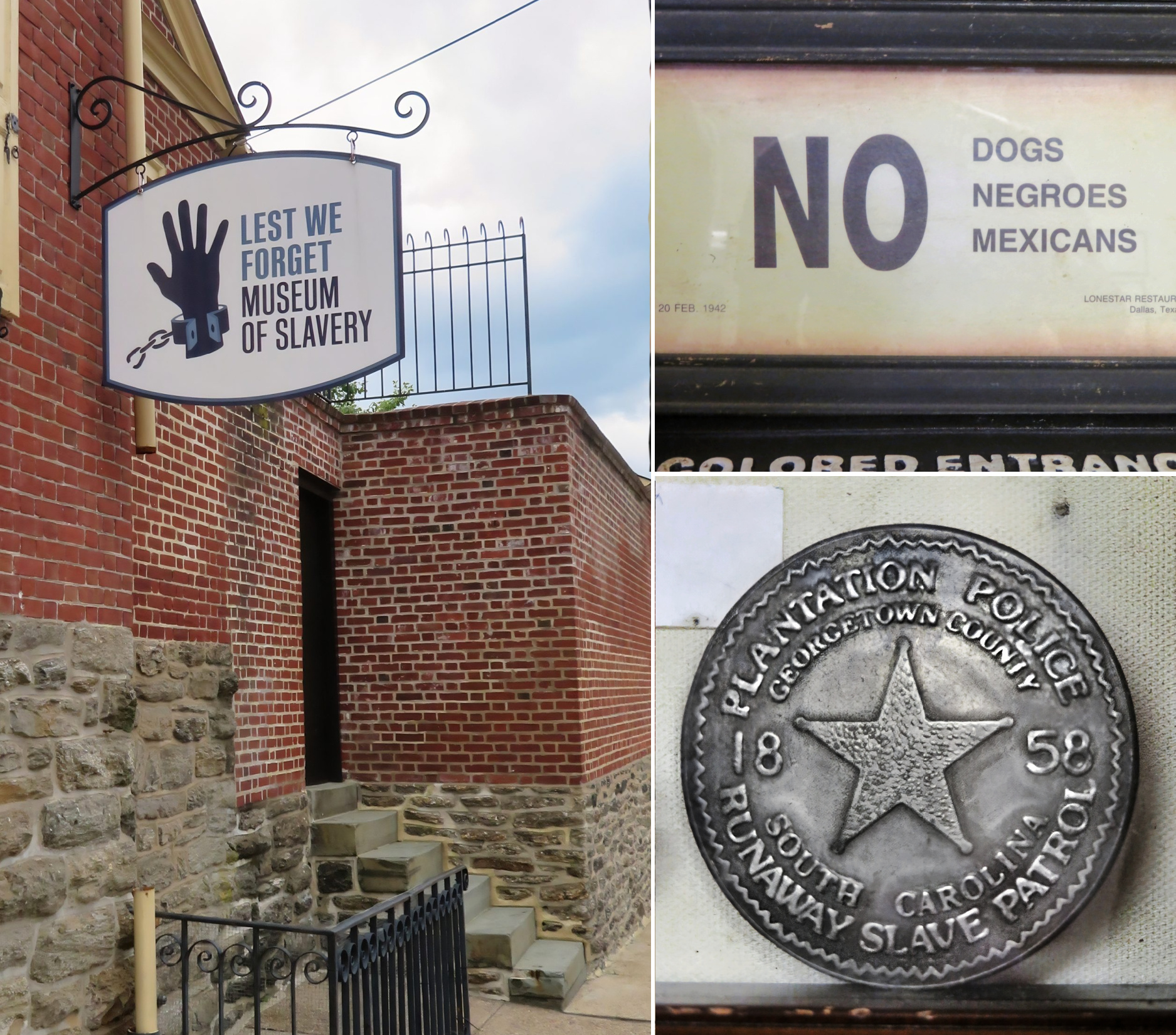
Key events in the northern Civil Rights movement happened here too — from student walkouts at Germantown High School to confrontations with Frank Rizzo’s cops. “That was the breakthrough,” Forrest says. “That changes the nature of politics in Philadelphia, in the state, and in the Northwest significantly.”
NO END IN SITES
Germantown’s story does not stop at 1776, which is one reason this summer’s programming feels so useful. You can start with Revolutionary War sites or the first written protest against slavery in the American colonies, but the trail keeps moving through Abolition, Emancipation, Civil Rights, Afrofuturism, and the many community movements still underway.
So much for one neighborhood to carry, and maybe that is the appeal. Germantown does not offer one neat version of American history. It asks us to keep looking — behind gates, along the Avenue, inside small museums, and across sites still woven into everyday neighborhood life.
This summer, many of those doors are open. Tuomi’s challenge is simple: visit one site you’ve never been before, and see what happens. Think you know Philly? Germantown still has surprises left to discover.
WORTH WANDERING
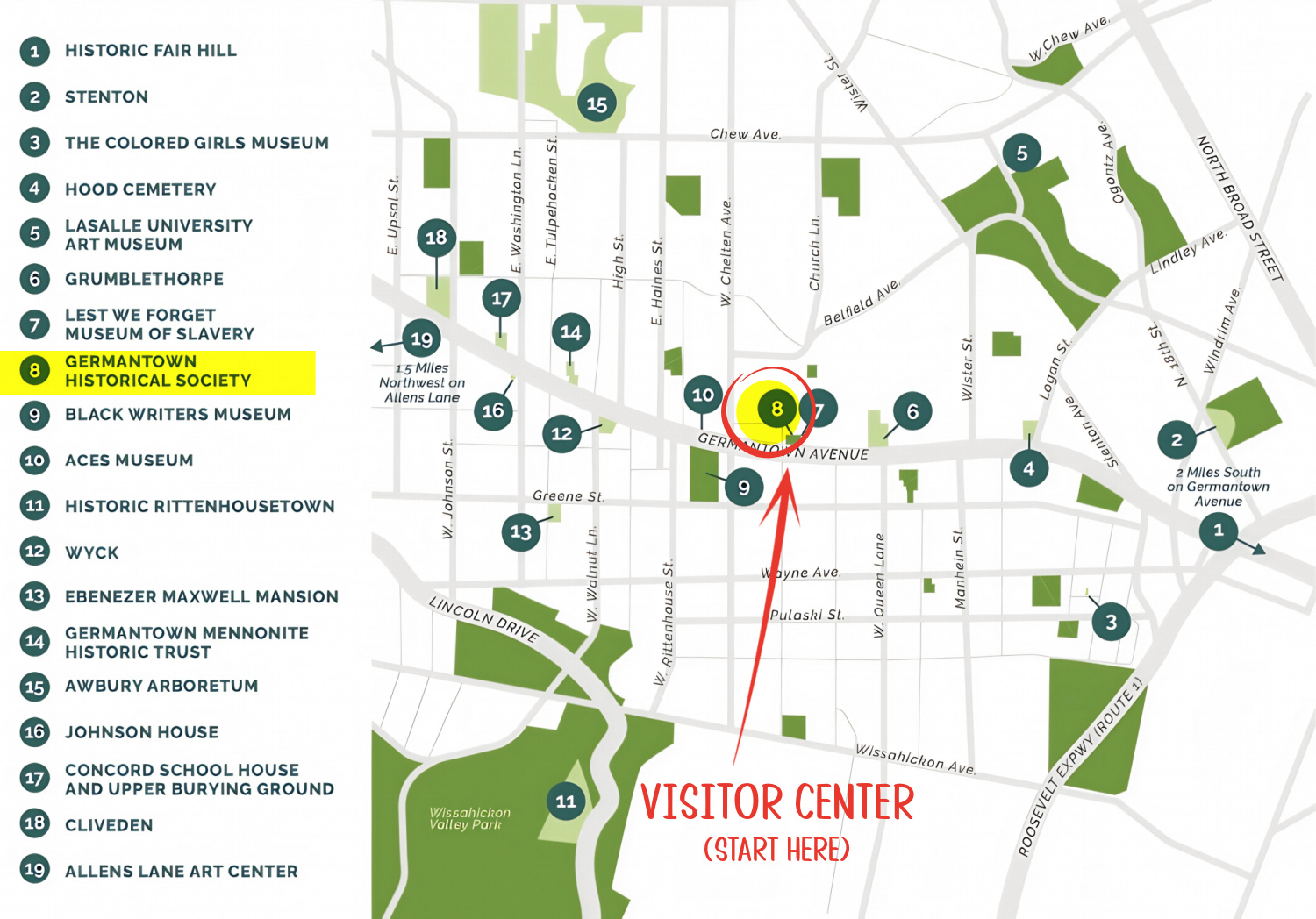
Historic Germantown’s biggest 2026 milestone arrives July 11, when it reopens the Germantown Visitor Center and galleries at the Germantown Historical Society.
The new visitor orientation center is designed to help people understand the full Historic Germantown network, plan their own route, and make sense of a neighborhood with more history than one afternoon can hold. The galleries will include a broad overview of the German Township, along with a rotating exhibit focused on Germantown before, during, and after the American Revolution — including what Tuomi Forrest calls the Revolution’s “promises met and unmet.”
Historic Germantown’s full summer calendar includes details on walking tours, Firefly Hours, the Green Space Stamp Rally, festivals, and site hours. Pro Tip: Consider purchasing One Pass, which offers discounted admission bundles to multiple participating sites.
☀️TOP FIVE SUMMER HIGHLIGHTS 🌳
Germantown Visitor Center & Galleries
Historic Germantown / Germantown Historical Society
5501 Germantown Ave. | HistoricGermantownPA.org
Relaunches July 11 with a new visitor orientation space and redesigned galleries. Follow @germantown250 for all the latest news.
26 Walking Tours in 2026
HistoricGermantownPA.org/2026-tours
Guided tours explore Germantown history, architecture, Revolutionary War sites, the Underground Railroad, and neighborhood stories across the Historic Germantown footprint.
Cliveden: Procuring Liberty in the Emerging Nation
6401 Germantown Ave.| Cliveden.org
A new exhibition exploring how members of the Chew household, including elites, servants, and enslaved people, sought freedom as a new nation formed.
Historic Mennonite Meetinghouse
6133 Germantown Ave.| meetinghouse.info
Germantown’s 1688 protest against slavery — widely recognized as the first recorded public protest against slavery in America — is part of Philadelphia’s “52 Weeks of Firsts” programming.
One Pass info: VisitPhilly.com
Look for Visit Philadelphia’s Historic Germantown “One Pass” for easy, discounted access and other great offers.
What do you think? Have you had a chance to explore the fascinating history of NW Philly? Click the links for more info, and please leave your questions and comments below. Or email editors@nwlocalpaper.com — we love to hear from readers!
Be the first to comment